Category Archives: Uncategorized

Hope is Not a Game Plan: Adapting to Change

There is a meme floating around social media that depicts a crying, distraught adolescent with the caption, “I don’t want to go through things that don’t kill me but make me stronger anymore!” Considering everything that 2020 has thrown at us to date, this is a valid and relatable sentiment that many in our community are feeling deep in their bones. However, challenges only make us stronger when we choose to engage with them, and, in order to grow through what we go through, we must accept our reality and claim full responsibility for our thoughts, emotions, and behaviors. Historians will be writing of the epic beating our collective physical, mental, emotional, economic, and relational health has sustained since March, but you get to write your legacy of resilience. As the world around us continually changes without notice, we must be proactive in order to survive and thrive. This week’s blog aims to build a foundation upon which you can reclaim control over your experiences in academia and beyond.

ACCEPTANCE

Acceptance involves seeing things as they are in the present moment. However, rather than leaning into reality, it’s common to find ourselves clinging to what once was in the past or what we hope will be in the future when the present reality isn’t what we had wanted or expected.

Hope and optimism have been shown to contribute to resilience in the face of challenges across various contexts and settings, but adopting an optimistic outlook is starkly different from ignoring, resisting, or denying the present reality.

AVOIDANCE MINDSET:

“This sucks! I hate online learning, and this isn’t what I signed up for when I started my degree. I hope that things will return to ‘normal’ soon, but until then, I will do the bare minimum this semester to get by until we can return to face-to-face learning in the classroom.”

ACCEPTANCE MINDSET:

“I accept that face-to-face learning in a classroom is not an option this semester and I will embrace self-directed study and online learning in the virtual space to be successful in my program. I am optimistic that this will not last forever, and I am hopeful that there might be more of a hybrid model offered next semester.”

What most of us fail to realize is that wishing or waiting for a return to face-to-face learning is actively keeping us from being fully engaged in the present moment. When we embrace a mindset of acceptance, we can both recognize that we don’t like the cards we’ve been dealt and choose to play the cards we have to the best of our ability. 

RESPONSIBILITY

When we accept that many aspects of our lives are outside of our direct control, the next step is to claim full responsibility for the elements we can influence. In this sense, you are encouraged to take responsibility for yourself, including your thoughts, feelings, and behaviors.

We can control our mindset, attitude, behavior, mood, work ethic, words, thoughts, decisions, and choices; therefore, we are also responsible for all of these aspects of our lives. It can be a tough pill to swallow, but ultimately, you are in the driver’s seat of your life experience and must take an active role in advocating for yourself.

It is not your school’s fault that you struggle with distance/online learning. It is the school’s responsibility to provide students with the tools and resources needed to succeed in their courses. It is your responsibility to use what is provided, give your honest best effort, and ask for help when you need it. Your instructor’s responsibility is to meet your needs to the best of their ability or refer you to an appropriate resource.

It is not your teacher’s fault that you earned a low grade for an assignment. The instructor’s responsibility is to clearly communicate the instructions, expectations, and grading criteria for an assignment. It is your responsibility to read what is provided and ask for clarification if there are parts that you do not understand until you have the information you need to complete the assignment successfully.  

It is not your classmate’s fault that you are feeling angry, upset, or frustrated. Your classmate’s responsibility is to participate in the required work for a group project fully, and it is your responsibility to effectively communicate the expectations for group roles and the division of labor. It is then each person’s responsibility to fulfill their roles and contribute to the project. It is common for us to confuse another person’s behavior (their responsibility) with our interpretations of their behavior (our responsibility); however, nobody can “make” us feel anything. They simply behave, which we interpret in a way that incites an emotional response. In this way, we are fully responsible for our feelings.

CONTROL

We are living and learning during a global pandemic, continued socio-political conflict, and multiple environmental disasters. Though it might feel like too many aspects of our education are outside our direct, or even indirect, control, there are still many things over which we have considerable influence.

CLAIM RESPONSIBILITY FOR YOUR MINDSET AND ATTITUDE.

Our mindset and attitude are always under our direct and complete control. We chose to pursue higher education, and in doing so, we accepted that we would be challenged intellectually, intrapersonally (within ourselves), and interpersonally (socially). The only thing that has changed is the nature of the challenges; it’s like someone finally rolled the dice in Jumanji and instead of needing to dance-fight a group of poachers, we are trying to escape from carnivorous vines. There is no version of academia that is NOT uncomfortable, and there is no growth without discomfort. Focus less on the cause of the problem and more on possible solutions to overcome it and thrive!

TAKE OWNERSHIP OF YOUR SCHEDULE AND DEADLINES.

The disruption of routine over the last several months has had a tremendous impact on the mental, emotional, and physical wellbeing of individuals of all ages across the country. However, you have the power and the ability to create a new routine for yourself to provide structure and direction to your day. Most undergraduate and graduate courses will require about 80-100 hours of work outside of time spent in class; this time doesn’t magically appear; we must make space in our lives for our academic responsibilities. It can be helpful to schedule time into your day as if it were a meeting with your boss, and then actually keep those appointments with yourself. Additionally, tune in to your flow of energy throughout the day and make your schedule work for you! If you are more focused and creative first thing in the morning, set aside a block of time to work on writing projects with a hot pot of coffee. If it is easier for you to read and comprehend textbook material in the afternoons, play to your strengths! Remember, a little work each day can often be more productive than a single, massive chunk of time once or twice a week, but the best combination will be dependent on your unique personality and preferences.

COMMUNICATE INTENTIONALLY AND TO ADD VALUE TO YOUR COMMUNITY.

Our words matter, especially in an online learning environment. Not only do we use words to communicate knowledge and our understanding of concepts, but they also express concern, empathy, and compassion. Besides our needs for sustenance and safety, we also have an innate need for community, creativity, empathy, and meaning (purpose, contribution, and fulfillment). These needs can be met in the virtual space if we are willing to make an effort. By stepping into our role as class leaders, we can foster a sense of community while making a meaningful contribution to our learning and our classmates’ learning. Moreover, sharing our personal experiences and perspectives on discussion boards creates opportunities for meaningful and empathetic connections with others.

FINAL THOUGHTS

Life happens, but we don’t always like it! How we choose to handle our personal and academic lives is a personal choice. We are facing a global pandemic that has turned our lives upside down, and all we can do is accept our new reality and move forward. By letting go and unlearning what we knew to be true in the past, we are able to create space for the new model of our world and how to be successful in it. Therefore, claiming responsibility for what we can control and influence in our academic lives becomes pivotal to our ability to thrive.

*This blog was co-authored by Dr. Amanda Leibovitz and Dr. Jeff Allen.

Communication 101: An Instructor’s Perspective

The semester is already underway, but there is still time for you to begin developing a strong working alliance with your instructors! Whether by email or face-to-face, communication is the first step to establishing a relationship between student and teacher. This blog discusses four key components to establishing rapport and effectively communicating with your instructors.

READ THE SYLLABUS

The syllabus is the only semi-legal contract you have with your teacher. Key information about the course, including deadlines, contact information, course reading and assignment schedules, grading policies, and more, are all included in this document. Although the content may not appear interesting, it is critical to your success in the class and your instructor has likely spent a significant amount of time constructing the syllabus for your benefit. Therefore, take the time to read it before asking your instructor questions about the course structure, deadlines, or other similar topics. We would rather have a student email asking for clarification about what is in the syllabus than ask us for an answer we have already provided. This demonstrates respect for your instructor’s time and communicates that you are accepting responsibility for your learning.

INTRODUCE YOURSELF

Reach out to your instructor by email to tell them a little bit about yourself, your interests in the course (if any), and your career goals; this is important in all types of classes and especially if you are in a course that is delivered 100% online. It is much easier to work with, connect with, and empathize with people we know, and you are only a name on a course roster until you take the steps to build a relationship. Most instructors will sincerely appreciate the effort and will be more eager to provide additional support in the future, should you need it during the course.

STRUCTURING YOUR COMMUNICATION

Use every email, discussion, assignment, and conversation as an opportunity to practice effective communication, which includes proper punctuation, spelling, and grammar. Your writing and speaking style is one of the ways that others will evaluate your professionalism and credibility throughout your career. Ask yourself if you would be comfortable sending your email or assignment to a client or supervisor before sending it to your instructor. By doing this, your instructor will be also able to speak to your professionalism and communication skills if you request a letter of recommendation in the future.

  1. Use your instructor’s proper title, if you can find it. Examples of proper titles include Dr. Leibovitz or Professor Allen. If you are a first-time student in one of our classes or contacting us for the first time, it would be disrespectful and unprofessional to begin an email with the salutation, “Hey Jeff,” or even, “Hi Doc.” This would be the same as addressing your commanding officer by their first name. If your instructor prefers to be addressed in a less formal manner, such as “Dr. L,” they will tell you in their reply or, sometimes, in the syllabus.
  2. Tell the instructor who you are and your preferred name. If you go by Bob, rather than Robert, let the instructor know. Our course rosters often list legal birth names instead of common names, so we will not be aware of your preference unless you tell us. Include your name and preferred contact details in the signature line of your email, too!
  3. State your course number and section. Instructors will often have 450 emails coming from 150 students from four different classes, and it can get confusing! Letting us know what class you’re taking will provide additional context to your question(s) and will help us reply with the information you need more quickly.
  4. State what you have already done. Begin your message with, “I read/watched/studied/looked/perused/investigated __________ and cannot find a clear answer.” Communicating in this way conveys that you are a serious student who has exhausted all means for finding an answer on your own. As instructors, we are willing to help you understand the material, but our job is not to spoon-feed you information. Part of your role as a student is to be an active participant in your own learning, so please consult the syllabus, textbook, ancillary materials, Google, Alexa, and/or Siri before emailing your instructor with a question!
  5. Clearly list your questions. It is difficult to pull questions out of a 1000 word email when they are hidden amongst a series of complaints, stories, and explanations. Sometimes, it can be very valuable and helpful to provide context to your questions, but taking the extra few moments to organize your email (use bullet points or numbered lists) so that your questions are easy to find can make it much easier for your instructor to provide the answers or guidance you are seeking.
  6. Use courteous language; “please” and “thank you” go a long way. No matter how terrible your day has been or how frustrated you are with the class or instructor, please use courteous language. Consider your email communication as “open to the public” and that you cannot control who will see a particular email.

The following are two emails recently received:

BAD/UNHELPFUL: 

“good evening

I do not get it

I am not writing in the group me a lot but I have worked on the project, I am the one who finds where we will be doing the marathon”

GOOD/HELPFUL:

“Dear Sir,

I’m [name snip]. I’m writing this email to resolve my doubts regarding peer review and grading. First, As you mentioned in your comments saying the peer review is harsh. So, can I resubmit my assignment, by making changes mentioned in the peer review?. Second, Is peer review influence our grades? if so, how can we mitigate?

Thanks & regards,

[name snip]

Master’s student in Information Science

PARTICIPATE IN THE CLASS (COMMUNICATION)

If on campus for class, participate in conversations. If you are completing an online course, contribute to discussion threads and virtual (Zoom) class meetings. Add new content and ideas, and ask relevant questions. Even if your classmates do not engage, your instructor will!

FINAL THOUGHTS

Communication in the classroom isn’t any different from communication in the workforce. We must make an effort to have the other person understand, and it can be even more challenging to do this online when we can’t see facial expressions of confusion, hope, cheer, or frustration. Clear and effective communication is essential to getting your needs met as a student!

*This blog was co-authored by Dr. Amanda Leibovitz and Dr. Jeff Allen.
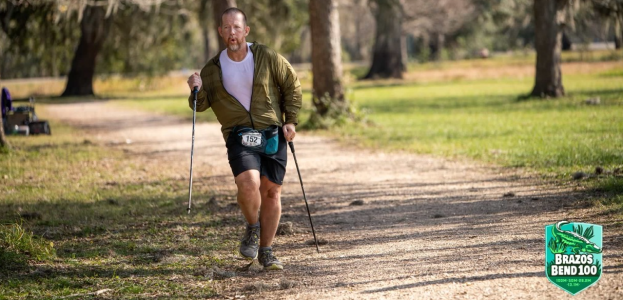
Tagged: communicationeducationcovidonline learningundergraduategraduateprofessionalismteachersprofessorsstudentslearningwriting skills

Social Media and Communication

We are often “caught-up” in internet conversations with a limited toolset to use for communication.  Limited characters, limited time, limited to text, and limited to modes of communication that each create a set of barriers to communication that to keep us from fully flesh out the post that we make on social media.   

Barrier 1: We forget our connections to individuals.  In the face-to-face world, we have a limited number of friends, relatives, or family members that we are willing to share our intimate thoughts, fears.   These individuals know not only what you say, but what you believe. 

Barrier 2:  Many of us are reactive communicators response quickly, but often in a manner that is not always fully matured. 

Barrier 3: The first draft is not always the best version of thought post.  Communication immediacy as opposed to a nuanced discussion.

Barrier 4:  We post on our own social media pages with a wide range of friends, followers, and the public.   “You can’t please everyone, so you’ve got to please yourself.”  You have control of what you are thinking, but not what the reader interprets when reading it.

Barrier 5:  Discussion and arguments on the internet escalate at maximum speed on the internet that occurs seldom seen in person.   Face-to-Face conversations facilitate compromise in a personal way that can not be accomplished online.  All too often, we depersonalize online posts and comments.

These are just a sample of communication barriers that are universal to social media. I have posted the following (in a similar version) on all of my social media:


“Opinions I express here are my own!
Repost, likes, etc. don’t imply my support.
Think for yourself.”


What does this mean?

I try, to the best of my ability, to express my opinions clearly on my social media pages.  You may not be able to fully interpret these opinions if you and I have not spent time together communicating about a particular issue.    

There are many opinions on politics that I do not fully explain in my social media posts.

There are many opinions on self-defense that I do not fully explain in my social media posts.

There are many opinions on the Constitution and Bill of Rights that I do not fully explain in my social media posts.

There are many opinions on learning that I do not fully explain in each of my social media posts.

There are many opinions on information science that I do not fully explain in each of my social media posts.

There are many opinions on more coffee and less hate that I do not fully explain in each of my social media posts.

Many different friend/follower groups that comment on each of my social media posts.  Their opinions are not my opinions.

I base my opinions on my best knowledge of a subject. You might not be fully aware of my education, training, or reading on the subject.  By the way, I seldom comment on issues where I am ignorant.  Again, the barriers described above limit our ability to communicate entirely through social media.

I often repost memes, videos, and post from others.  These reposts are not indicative of my support of another’s opinions. There is a broader context for all of the reposts that may not be clear with a limited ability to communicate entirely through social media.

I often “like” a post from people and groups that I follow.  These reposts are not indicative of my support of another’s opinion. There is a broader context for all of the reposts that may not be clear with a limited ability to communicate entirely through social media.  I believe that everyone has a vast and almost unlimited right to post their opinion.   I may like many things that I adamantly disagree with based on what expressed in a particular post. However, I support the broadcast of their views. Public expressions of beliefs, ideas, and opinions are essential, and they should not be suppressed – we move forward through ideas and discussions.

Yes, I will argue opinions with others – even with myself.   I’m a scholar. 


“To talk in public, to think in solitude, to read and to hear,
to inquire and answer inquiries, is the business of the scholar.” 
– Samuel Johnson

Brazos Bend 100 2019 (100-mile distance)

Brazos Bend State Park; Needville, Texas
December 7, 2020


This race was my “A” race for the year and preparation started in January 2019 after my 2nd Ironman race (IM Florida). I signed up for the race on the first day of signups and it was real.

I started this race report exactly 6 months after the race – it’s a tough one to put into words and a tough one to sort out the facts from feelings. Yes, It’s taken about 2 weeks to complete the race report.

First, the question that always comes up: Why?

There are a couple of reasons why, but the first is that as a triathlete, my weakest of the three events is running. There is only one way to get better at running – run. Second, after completing my second Ironman I wanted a challenge that was on the edge of inconceivable. Running 100 miles definitely hit both of these points.

The second question that comes up, after the race, is would you do it again?
No. Not at this time – I chose the right course for me and I left everything that I had on the course. More on this later.

Race Conditions:

Temperature started at 40 and rose to ~80 degrees during the day and went back into the upper 40s overnight. No rain, trails were dry. Overall, I could not have planned in my mind a better weather circumstance for the 100 miler. I foresaw every other weather variation, but not the temperature on race day. Overnight, we have a dense fog move into the race venue from 1a – 5a that made some interesting racing. Texas weather gave us a hot mid day as the December sun warmed us up a little too much. Nightfall was welcome for cooler temperatures.

Goal: 1) Finish the race. This was the only goal.

Training for the Race:

I spent a massive time prepping for this race. Seriously, 2020 was dedicated to one race with milestone races starting early in the year to build toward this 100 miler. An early start meant spending the Spring building from an Ironman base and getting in mileage. Brazos Bend 100K was an April race, so that became the first milestone race. In January: I’m not a runner. Getting miles and learning to trust my running ability came first. It’s not that I couldn’t run, but I was a weak runner with imbalances, bad habits, neglected glutes, and 25 years of doing harm to my body with combat sports. Plus, I had never conceived of that kind of distance…it seemed a much more lofty goal that an Ironman ever seemed (for me) due to RUNNING. Coach Ben Drezek and I set up milestone races and started slowly molding me into a better runner. As a 50 years old athlete, this meant a delicate balance between mileage increases and recovery. In my mind, our greatest accomplishment was no major injuries during training.

The training meant long, slow, miles that were built during the year and meant long hours on the blacktop and trails to get the mileage or time needed each week. As a triathlete, this run training was supplemented with cycling and swimming time (recovery). This did a lot to keep me sane.

Not only did it meantime on feet, but experimenting with food, race belts, vest, shoes, hats, shirts, socks, foot care, and hydration. It was good to start early and train as I would race. I volunteer at BB100 (2018) so I glimpsed what to expect 365 days later.
Coaching: How many miles did you run? What did your training consist of? It realllllly doesn’t matter. Coach put together an excellent program and I was 99% compliant. That’s what made it work. I knew on race day that we had done everything possible to create a success story at the end of the race. That’s what really matters during the race.
Pacer: I started working with my pacer about 3 months before the race. This was a tremendous sacrifice of his time, but it gave us a chance to run together for about 25 hours at my long-run pace. We talked about the race; fears, goals, reasons for not quitting, and circumstances where quitting was the only decision.

Organization for Race:

We set up our transition tent in a prime location by the starting gates (directly across for the start/finish aid station – perfect. This meant coming in early and selecting the site.

The organization for race day gear was very important to me. At some point, you cannot think. My pacer, Devin Longsdon, and I decided to color code to loop bags so that we could quickly get in and out of our personal aid station. This worked great. The pictures below show the crates and a taste of the contents. In addition, I set up a personal pelican case for medical.

The 100 miler is not for the faint of heart or the ill-prepared.

Morning of the Race

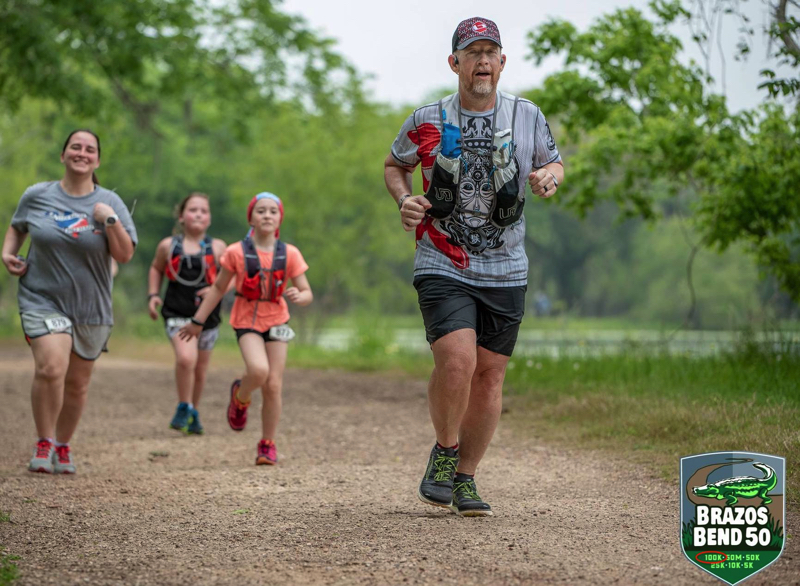
I camped in the park so the morning of the race was boring. The gear was ready, I had a great night of sleep, my breakfast was light. Nothing was special about food or hydration. Quick gear check, final setup, and head to the starting line. I started the race with two teammates: Paul and Doyle Beaty. Smiles and fear wrapped up in a single picture.

The Race

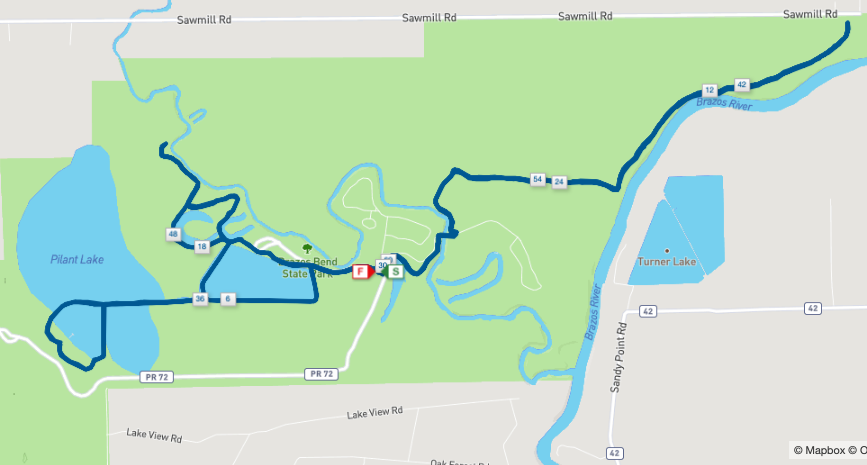
This is a six loop 16.74-mile flat trail course through Brazos Bend Park with the Start/Finish line set up where the course is a figure 8 with a couple of out-and-backs.

Loop 1 (0 – 16.74 m)

The race started at 6:00a in the dark. Again, my small Petzl headlamp was plenty for the start of the course with only about 90 minutes until the crack of sunrise. My pace started my long run pace – very controlled and metronome. About 20 paces front the start line I realized that I was running beside the great Gordy Ainsleigh – that has to be the best way to start your 100-mile attempt. The first lap was fabulous and felt as if you were just getting warmed up. It was in the first lap that I hit my first milestone – go until the sun came up. This seems a small goal (about 90 minutes of the first loop), but setting small goals and succeeding build on small wins. I hit my optimal pace goal for the loop (in the green).

Transition: Food, new socks and shirt, foot powder (Tom-Tom) and got out of transition quickly. All fast and good in transition.

Loop 2 (16.67 – 33.34)

The timing of this loop was from about 9:30a – 1:30p. Loop 2 was all daylight. This loop blew by – nothing to note in the lap – easy sailing and all systems doing fine – hit my pace goal again. Still in the green and surprised with no blisters, an appetite remaining, hydrated, and mood still good. No dark places and a 50k under my belt.

Transition: Food, new socks and shirt, foot powder (Tom-Tom) and got out of transition quickly. My pacer was in the transition tent so everything was very organized. All fast and good in transition.

Loop 3 (33.34 – 50.01m)

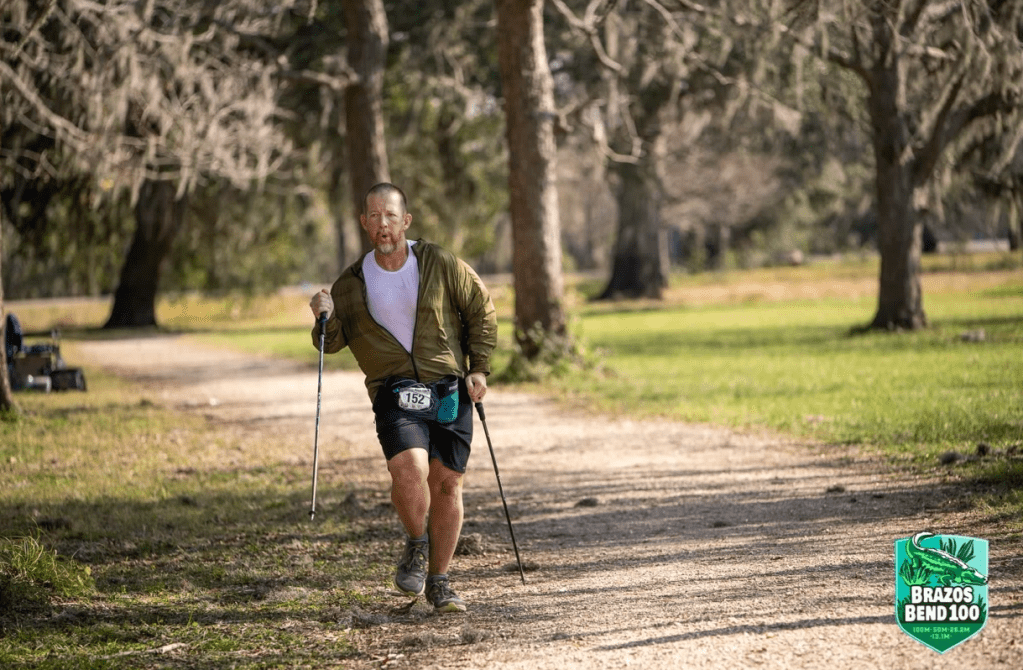
The timing of this loop was from about 1:30 – 6:00p. The temperature rose during the day and there was only a light breeze to ease the heat. In no way was it summer Texas heat, but enough to make you slow down slightly, take notice and to hydrate. Hydration for this loop became a priority and I moved between a bottle of BASE hydration, and a bottle of water. Yes, it was suggested that I wear sunscreen – no I did not – this was a choice, not the smartest choice, but you make them as you go. This loop was greeted with lots of support from family and friends on the course and via text message. I ended this loop a little scared, and 50 miles tired. At the same time, no dark places, just putting down miles going between and trot and a mile eating walk pace.

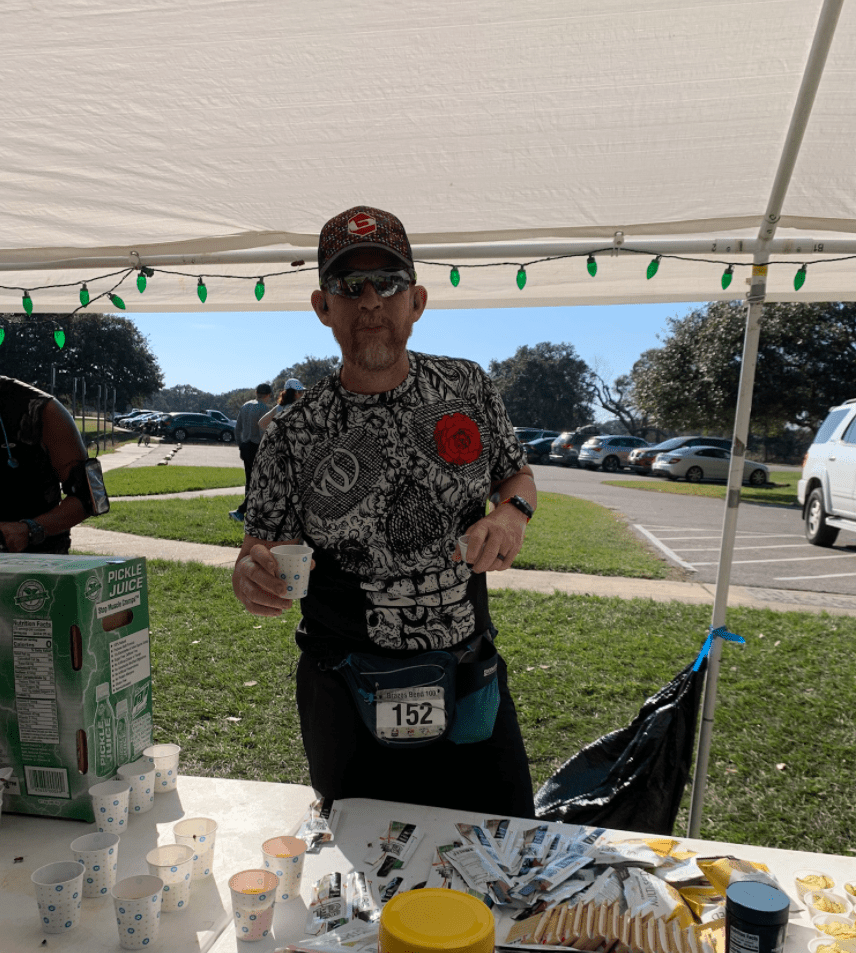
Aid Station Goodies

Still, no blisters – my year of training had toughened my feet and I had made the switch from oil-based lubricant on my feet to dry (Tom-Tom) on Coach’s suggestion – this made all the difference. This was a dry course, not too hot, and a dry lubricant was perfect for the conditions.

Thought at the end of the third loop: Wow, half the miles done but not nearly to the start of the race. Nothing was wrong yet…no dark places, no significant injuries, and still moving. I finished the loop “in the green” and ready for my pacer to help me through the night (sunset was 5:45p).

Loop 4 (50.01 – 66.68)

The timing of this loop was from about 6:00p – 11:30p. I started this loop knowing that I met a second milestone – make it through the day. It was a boost to my system to have Devin (my pacer) join me. He was able to experience the course with me, but at a slower pace than the first three. I came out of transition tired. The first 50 miles and the sun had taken the pep out of my step and left me to his hands for the pace. At around mile 60, Devin noted that my right shoulder was dropped down way below my left shoulder. This was interesting because I hadn’t noticed it. Hmmm…yes, this was a problem, I just hadn’t realized it yet. We finished this loop with little problem, but we knew by the end of the loop that I was favoring my right side — and more importantly that we needed to take care of the issue. I can’t overemphasize the importance at that time of having both a coach and pacer that I TRUSTED with every fiber. I came in from loop 4 “in the red”. I didn’t know it…

Nutrition: Sometime during loop 4 my appetite stopped – to be honest, I didn’t notice. Nothing on the trail racing buffet table was of any interest, but I knew in transition that I needed to eat whether I wanted to or not. I had put myself into a calorie deficit that might be too deep to overcome.

Transition: Food, new socks and shirt, foot powder (Tom-Tom) and got out of transition slower. Feet were hot – I still had the same shoes I started with…6 more in the box waiting to be used – I still didn’t change. I picked up my walking sticks and headed out for Loop 5 – The race had started. I was starting to hurt and I began to drift to the right when I wasn’t paying attention. Ben and Devin were talking to each other….heading into loop 5 I looked haggard and my pace had really dropped off. They said nothing to me, but they were worried. Longest transition.

Loop 5 (66.68 – 83.35)

The timing of this loop was from about 11:00p – 5:30a. We are told that a 100-mile race just starts at mile 60. Bingo!

This loop found me stumbling, walking, and eating a diet of ramen and bananas. This diet would remain through the remainder of the race. Hallucinations were vivid and started at about 1:00a and lasted through sunrise. The need to sleep was overwhelming – yes, I wanted to stop and take a nap. Devin, wisely, told me to keep moving – I wisely listened, but still whined about it. About 2:30a, a heavy, thick, and wet fog settled in a moved out visibility down to a dozen feet. Everything slowed down. My pacer was everything, but we were both suffering – me from exhaustion and him from keeping my strange pace.

We both fell into a marching pace and I began to develop a blister in the middle of both feet. Nothing terrible, but none the less worrisome at mile 75.
The best thing to happen all night was the end of loop 5. We made it through, but my pace was getting dangerously into the red, and something needed to happen differently if I was to finish the race.

Transition: Food, new socks and shirt, foot powder (Tom-Tom), and new shoes. The first change of shoes during the race – good call.

Loop 6 (83.35 – finish)

This loop started at about 5:30a. Up to this point, my pace had slowed each of the five loops. Death warmed over would be an apt description of me finishing loop 5 – not much hope and a DNF waiting to happen. A slowing of pace is a natural and expected progression, but loop 5 had scared everyone.
Devin needed a little bit more time in transition, but I was ready to go. Coach sent me out telling me that Devin would catch up. I got up and started going – no problem, I personally felt fresh coming out of transition. Well, HUGE well-marked turn signs were not enough to get through to a race fogged brain…and I missed the first turn. This meant my pacer passed me and they spent a panicked 45 minutes trying to find me on the trail…luckily the sun was starting to crack the sky by the time we connected again.
Fresh shoes and a coming sunrise seemed (after the fact) to put on a new outlook for the race. I’m always excited by the last loop of any race. For this race it seemed to do the trick. I had started clicking of “last time I see this part of the trail”. Plus, I hit my final milestone – I made it to dawn. Just the finish line to go.

At ~90, we changed pacer. Gabby Segal came in to give Devin a well-deserved pacing break and help bring me across the finish line. While 10 miles seems so little after finishing 90 – it’s still a LONG way to go. Luckily, my pace was fantastic (comparatively) since starting the loop and I was climbing out of the red. These miles seemed to take forever but were about 3 min a mile faster than loop 5.

At mile 99.6, we saw the finish line. It was almost overwhelming.

Sidebar: My secondary goal (if everything went perfect) was to finish at 28:00:00 hours. Loop 5 killed that dream. However, we were still in the 28th hour.

At 99.6 Gabby and I realized that we were still in the 28th hour and there was a possibility of finishing the race within the 28th hour. But, I was more tired than I could imagine. Finishing in the 28th hour meant a push. We increased the pace once and realized that it wasn’t going to be enough at 99.8 and moved faster. Gabby let me know that it wasn’t going to be enough, and I started “sprinting. I knew, with this effort it would either finish or end my race….make it to the finish line, or drag myself across (literally). Yes, sprinting is a relative word – but it was an all-out effort.

I finished at 28:59:41.

Finisher!

The last 200 yards…that hurt soooo bad.
Texas Two-Step Buckle (finishing the BB100k and BB100m in the same year)
Brazos Bend 100 miler Finisher Buckle

After the race (medical):

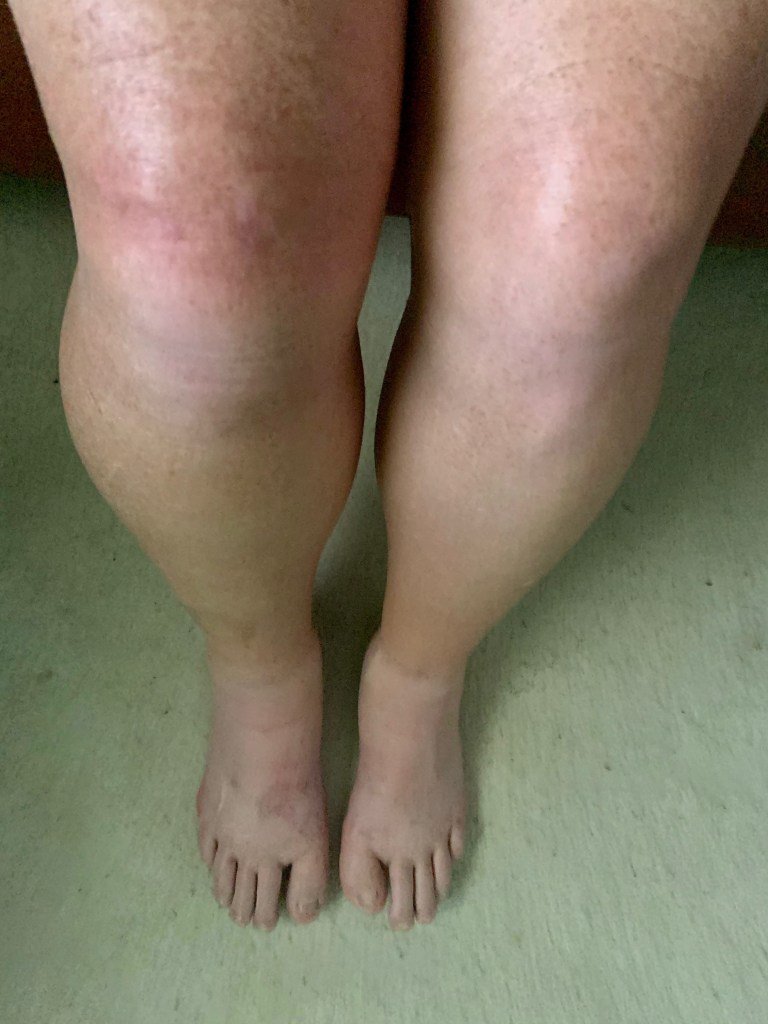
Due to the right side lean, my right knee became swollen to the point that my kneecap couldn’t be distinguished. This meant hobbling for the next two weeks. It sounds strange, but my knee nor back ever hurt me during the race – they were just problems.

I developed pre-Rhabdo (Rhabdomyolysis). Luckily, the symptoms were cured with rest, hydration with no kidney damage. Rabdo is a breakdown of muscle tissue that releases a damaging protein into the blood.

Three days after the race.

A silver dollar blister on the middle of each forefoot. Easy stuff – but hurt from mile 70 to the finish.

These things happen…

Motivation

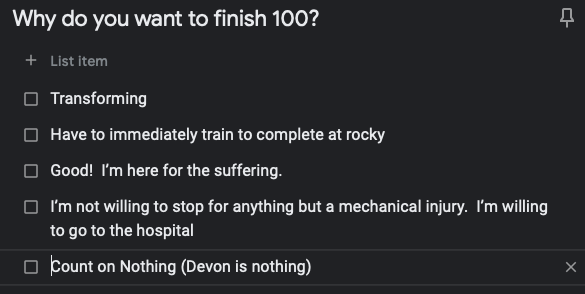
Each of these items meant something to me. I put them in a list and reviewed it from time to time. I’ll explain each:

1. Transforming: I looked for this race to push me to dark and ugly places that I had not been before. There’s nothing that a race, or anything, will make you be that you weren’t before – but it nonetheless changes you.

2. Have to immediately train to complete at rocky: This was my first 100 mile attempt and I was 100% sure that I would continue to attempt the distance until completed – Rocky was the next race that I would immediately train for if I DNFed Brazos Bend.

3. Good: Jocko Willink has a youtube video called Good. Watch it and you’ll have an understanding of this point: “https://www.youtube.com/watch?v=IdTMDpizis8”

4. I’m not willing to stop for anything but a mechanical injury. I’m willing to go to the hospital: Devin was the only person, including me, allowed to stop my race. We talked about this point at length and determined under what circumstance I was willing to stop my 1st attempt. Not only was he my pacer, but the final call. I was willing to risk a lot to finish this race.

5. Count on Nothing (Devin is nothing): Ben Drezek, during race week, made this comment about the race. “Count on nothing during the race…” to mean that conditions and circumstances are ever changing. I turned to Devin and stated “Your now Nothing”. So, I would count on Nothing. A good call.

There’s so much more to write, so much more to say, but you buy the coffee and I’ll tell the rest of the story.

Many thanks to Coach Ben Drezek, my many teammates, friends, and family. I would not have finished without you.

Capt’n Karls Trail Race Colorado Bend State Park

Colorado Bend State Park; Bend, Texas
August 3-4, 2019

I write these for my future examination and my coach (Ben Drezek). I hope you enjoy – please ignore the errors…it’s a train of thought rather than a monograph.

This was race date was situated at a good time during the summer to get me more time on my feet overnight and avoid the summer heat in Texas. It started at 7p with a 7a cutoff (12 hours).

Leading up to the race you have alway have expectations and guess: Hot since it’s August in Texas and….well, no other ideas. I’ve never run this race and had nothing in the way of a race warnings – should have done more research.

Race Conditions: Temperature, according to my race watch started at 91 degrees and progressed down to about 84 degrees. It felt a few degrees cooler to me, but we had little to no wind for the entire night. The little breeze that there was would only hit you on the ridge tops and seldom seen clearings.

Goals: 1) To finish the race – always the first goal. 2) Work the first lap (18.6m) and see what I had left in the tank on loop two. 3) Work on my nutrition between aid station to supplement calories.

Note: #2 is an iffy strategy, and not discussed with coach, but going into the race I felt strong and wanted to test my fitness….and I did.

Before the Race: I hate not starting a race first thing in the morning. It throws off all my race day preparations. But, I picked the race. For this race I chose to treat race day as a normal day with a normal wake-up time and did a few things throughout the day….why?…to keep myself up during the day and race during the night to help simulate a longer race that takes 24 hours. I did take a 30 minute nap out of boredom right before the race – oops. Food was normal fare with nothing added to the menu – higher than normal calories, but nothing special.

It should be mentioned: A fellow racer stated that he had race the 60k two times and did not finish either….he was now running the 30k! This made me pay attention…

The Race Course: This a two loop course (2x 30k, 2x 18.4m) with aid stations every three to five miles – well covered by volunteers. This lollipop style course had a 3 mile stem (start/finish to Lemon Ridge Aid Station) and then traveled west on a long loop back to the Lemon Ridge, into the start-finish and back out for the second loop.

Loop 1 (1 – 18.6; 7:00p – 12:03a): The race started at 7:00p sharp with short 1/2 mile flat that turned to about 5 miles of climbing. This course was rough with boulders, large rock and spikes. This required that you pay attention, find your footing and move at a good pace when available. Not terribly technical, but stubbed toes and turned ankles were par for the loop. I moved well for the first 13 miles and then started the long climb back to Lemon Ridge. I hit my goal of working the first loop but lost track of my nutrition….and thus burying my self with low energy. This could be blamed on the heat and the copious amounts of water that were need to keep me moving, but it was simply racing more than managing the engine. The course surface was much tougher than I bargained for…even with my Altra Superiors and rock plates. My feet were beaten up and sore, my ankles rolled multiple times and I was tired. By the time I got back to the start/finish (to start the second loop) my engine light was on danger and I need to make some changes.

I’m happy with loop one work, but I paid a price for the work.

Transition (12:03a; 10 minutes): Because of where I was at mentally and physically I didn’t want to spend much time in transition between loop 1 and loop 2. However, I wanted to to the right things. I changed socks, changed shoes (Altra Lone Peak) and changed my sock. I WANTED to change my shorts, but there was simply no easy option – I have to think about this one for later. Everything was soaked with sweat and salt. I quick got up and walked away…then walked back to resupply my nutrition also. In hindsight, transition went well, but there are improvements to be made (more later). I didn’t take my trekking poles out on loop one, but pulled them out on loop two.

Loop 2 (12:13a – 6:06a; 18.6 – 37.2): My mind changed when I started back out on loop two. There’s a lot to be said for “last lap” and no excuses. Embrace the suck and keep moving forward. As one sign on the course stated: It’s ok to want to quit as long as you don’t quit. I reminded myself often this sign.

My nutrition from aid station had been minimum the first lap and I did not take in as much supplemental nutrition as I planned to during the first lap. In addition, electrolyte imbalances had me on @basesalt and water fighting off stomach cramps and cramps high in my thighs. This could easily be my undoing for the course. Lap two also had me worrying (for the first time racing) about cutoff times. I left start/finish about 47 minutes ahead of the cutoff and I had ended the last lap slow. I had to make some changes to be sure that I didn’t get caught.

Two things saved me: Trekking poles, and nutrition. By the time I got back to Lemon ridge, I finally got my water and electrolytes handled and the stomach was settling, but it took almost an hour to make three miles. This meant that I was still only about 45 minutes ahead of the cutoff. If anything went wrong, I was toast.

For the first half of loop two, I was trying to get back into the race. I burnt too much energy on the first loop (on purpose) and was struggling to get back to racing well. Nutrition was now every 45 minutes plus aid station food and it started to make a difference – my body had the things that it need to run to engine.

The second half of loop two went better and I caught and dropped a number of racers – that’s the way it’s suppose to happen. I started to again enjoy the race. The pace was not quick, but I started getting a little distance on that imaginary cutoff line. Best was that I was doing water and nutrition like clockwork and it keep me where I needed to be – a tough lesson on a tough course.

By the time I got to the last aid station, Lemon Ridge. A volunteer that I knew exclaimed that I “looked strong….much better than when going out.” I took the comment as it was meant and I felt the same. I took the last 3 miles of the race to finish stronger than I finished the first – I’ll take that as a win.

Finish (11 hours 6 min.): The soles of my feet were literally numb from running across the tops of boulder, rocks, and pyramids of pain (rugged trails). My ankles were rolled more than I can count and my trekking poles save me from a trip to the doctor. Even with all this said – I felt strong!

OTHER NOTES:

Mentally: This was a challenging race for many reasons. But, I was physically and mentally strong going into the race and overcame a number of situation that could have been excuses for stopping.

Done right: The grind! Simply, I’ve been doing the everyday work to get prepared included night running. Feet were done right….taped them up and changed socks and shoes.

Improve: Pay attention to the damn nutrition plan stupid! This is something that I control, for the most part, and can put me in a hole that I cannot remove myself from if everything doesn’t fall right.

Differently: Nothing for this race. Little bit of reorganization of transition gear.

Lessons: Nutrition and stomach have to be cared for from the beginning. Run on carbs and not on what you can do….long races require constant fueling.

Back to Training: Same as last race: Time on feet matters. Need to spend time both at a run and power-walk for long time periods. Correction, I need to develop a better coyote travel trot rather than a power hike. It worked well, when possible, on this course.

Brazos Bend 50 2019 (100k distance)

Brazos Bend State Park; Needville, Texas
April 6, 2019

This race is a precursor to the Brazos Bend 100 in December 2019 (100 miles) and was a much anticipated test race to helptweak my training.

I’ve run three 50k and one 50 miler prior to this race – so this race was a step-up in distance. Additionally, It’s April in Texas and you simply have no idea what the weather will bring you as you start race day.

Race Conditions:  Temperature started at ~75 degree and ranged to the mid 80s during the middle of the day. Texas weather gave us a a hot and humid day with a light breeze over 1/2 the course – this lack of wind truly increase the suffering during mid day with a sun that broke through the morning clouds. From noon to 6p was simply miserable.

Goals: 1) Finish the race; and 2) See if I could maintain a 14:24 pace for the race.

On race morning, goal #1 was certainly achievable but goal #2 looking a long-shot with the South Texas humidity and temperature combination.

Before the Race: I was well prepared, physically, for the race and my gear was as good as I could possibly plan. Both coach and I knew that April was a little early for this 100k race, but this race is on the same course as my “A” race in December so it was well worth the work to get ready.

Morning of the Race: Nothing of note.

The Race: This is a four loop 15.8 mile flat trail course through Brazos Bend Park with the Start/Finish line setup where the course is a figure 8 with a couple of out-and backs.

Loop 1 (1-15m): The race started at 5:30a in the dark. My headlamp was plenty for this course and I started off at a controlled pace and immediately fell to the last 10% of the 100k group – no worries this was expected and I knew it was going to be a long day. With a 75 degree temperature and no sun, we were all still sweating by the first aid station due to the humidity.

A little over an hour into the race, I remembered the sage advice of Coach Ben – “If you are running for an hour, you should already be walking.” With this advice in mind, I started a walk for 20 minutes and continued a 40/20 run/walk rotation. T Loop one finished 3:27:35 (~13:27 pace. 8:30a) with no problems. Soaked with sweat from my head to foot, but was healthy and happy. Thought at the end of the first lap: All systems go, don’t screw this up.

Transition: Food, new socks, cold power-aid and got out of transition quickly.

Loop 2 (Start – ~30m): This loop started smoothly and through the first half of loop two I maintained a 40/20 run walk pace. At mile 22, I had to again reflect on race strategy ‘to run while I WANTED to run and walk until I was ready to run again.” Loop 2 is a good blur with the aid stations going by and the miles clicking away. The temperature began to rise as the sun rose behind the cloud cover. This lap completed a 50k distance. Half done. Loop two finished 3:28:26 (~14:28pace. noon). Text from teammates came in during this lap – great lift for me. Thought at the end of the second lap: All systems doing fine, but trouble is in the air with the temperature (and hot spots on the ball of each foot).

Transition: Food, new sock, new shirt and shorts, and a bio break. I examined my feet in transition and chose NOT to treat the hot spots. THE FIRST DOMINO: I had plenty of help in the transition with Paul Beaty and Max Atkinson, but I didn’t pretreat the hot spots/small blisters. This is an ultra-runner beginner mistake and I should have known better. The less than dime size place just didn’t seem like enough to extent an already 12 minute transition. Even with good help, I couldn’t settle myself enough to truly think about the distance, humidity, and sweat to come in lap three…..here comes the sun….uh oh.

Loop 3 (30 – 45m): This loop started out with me a little frantic and wanting out of transition and back to the trail. As I moved out of transition I physically felt the sting of my feet in my new socks and old shoes reminding me of the hot spots/small blisters that were on my feet. Stubbornly, I moved out with the assurance that I had a blister/first aid kit in my pack in case I needed it. Other bad news: the cloud were started to break up and there was a promise of full-sun coming. Mentally, I was in a good place, but I knew that the suffering was going to begin on this lap. It’s not that I hadn’t been at the distance before, but I was experience enough to know what was coming. I started the first half of this lap a little faster because it was more open and there was a slight breeze in place – the second half of the loop had trees and had already proven stifling in the heat and humidity.

Third Loop

At Mile 36 my brains stopped me and I stopped at a bench and cared for my feet –at least I tried. I pulled out my small, but well-equipped box and tried to put both large bandaids, and KT-type tape on my feet. Uh oh! My vaseline/anti-friction goo that I had reapplied to my feet before the race and in each transition kept the tape/bandaids from sticking to my feet. This was the Oh shit moment when I realize that I didn’t have a single piece of equipment/clothing that wasn’t soaked with sweat and there was no way to dry my feet enough to apply the foot first aid. I still had about 9 miles on this loop and realized that I was going to do a lot of damage before mile 45 (next transition). At this point, I had a marathon left to do on a set of worsening feet. Goal now: Finish. After working on my feet, I stayed at a good power hike pace for the remainder of the lap at finished it up Loop three a little slower at 3:54:49 (~15:42 pace. 4:20p). Thought at the end of the third lap: I’m not in a good spot, mistakes were made and the last lap is going to be done on grit and pain. Embrace the Suck!

Transition: This was a disaster. I wasted 10 minutes with little to show for it. SECOND DOMINO: I had no more race socks and put on my pre-race technical socks. THIRD DOMINO: No more brain to think. This was a solo transition and I had few brain cells. I was hurting and needing to bring this race to the house. I did changed shoes (fresh pair of Altra Torrins). I checked my blisters – yuk, but didn’t do anything about them – my brain was well into the pain and I saw that both blister were broken – and bigger than a silver dollar. THE FINAL DOMINO: I did nothing about the blister other than putting on dry socks and shoes. To be honest, at the time, I was willing to accept what happened to my feet in trade for finishing the race. A bad bargain when you still have 15+ miles to travel on a pair of bad treads. Oh, I also forgot my sunglasses and hat, but luckily packed my headlamp for the much anticipated sunset in about three hours.

Loop 4 (45 – finish): I’ve already admitted my transgressions in transition. They all found me on the fourth lap. Mentally, I started this lap in a great place – the suck had already been embrace and I was in a good place to deal with the pain. Oh yeah, full sun until sunset.

The pain grew worse on this lap and I felt the blisters grow as the miles grew. I was waiting forever to pass the 50 mile marker and begin gaining longest run miles. The 5+ miles that it took to get there seemed to take forever. After 50 miles, I felt that I could finish – I could tick off aid stations and turn around seeing these trails for the last time.

I did picked up pace to finished the fourth loop faster than third loop, but with a lot more pain. Why? Purely in the head.

Loop 4 was largely uneventful until the last 3/4 of a mile when I moved from one trail to another (in the dark) and side-stepped off a 6″ ledge to the next downward trail stumbling to keep my feet. It was a pure white-lightening pain as I slid sideways on the large blisters that had enveloped both ball of my feet. I’m still uncertain how I kept my feet, but I had the finish line in earshot and a 100k race to finish. Loop four 3:45:37 (~15:14 pace. 8:10p).

FINISH: 15:08:20

OTHER NOTES

Mentally: I was prepared for this race. Physically, coached prepared me.

Done Right: Pace – I was controlled throughout the race and raced it to the best of my mental and physical ability. Scary to think 100 miles at the end of the year. This one was at the edge of possible under the conditions. Body from the ankles up was well-equipped to race. Stay with my race plan for the most part. Clothing and equipment were an A+.

Improvement:  Continue to build the miles on the feet, keep experimenting from the ankle down. Continue to strengthen the body – get stronger and leaner.

Differently: Don’t let little things become big things – FEET.

Lessons: The feet must be cared for.

Back to Training: Time on feet matters. Need to spend time both at a run and power-walk for long time periods.

Ironman Florida 2018 (Haines City, Florida)

Haines City, Florida
November 4, 2018

The month leading up to this race was crazy.  Hurricane Michael came through Panama City Beach Florida and created havoc.  The race was cancelled on November 3rd and moved to Haines City Florida on November 4th.  This caused a number of issues that were impactful to the race – technical swim, hilly bike, tough run course, a 10 degree temperature increase.  But, you take what you are given and everyone races the same course under the same conditions.

During Ironman Arizona 2017, my back failed me and I strained to finish the race from mile 20 – 26.2 on the run.   2018 was used to strength my posterior-chain and improve my run form.   To be blunt: This was what I said in the race report last year: “My run is my weakness. Kill the weakness.”

This involved, among other things, two 50ks, a 50 miler, and the stair mill.  Ultra running was in my plans – but, improving my run in 2018 was my goal.   There was no immediate goal of a second Ironman in 2019, but…  yes, peer-pressure of led to a 2019 sign-up.  Then there was a secondary of stronger and faster of 2019.

Race Conditions:  For the 10 days leading up to the race the forecast was 60 – 80 degree with 5 – 10 mph winds.   This changed on race day with a hot and humid 85 degree day with light wind – of course, very little wind on the run which increase the suffering.  The water was a great, 73 degrees and the air temperature started at 62 rose to 85 and settled into the high 70s after darkthe mid 50s once.  Brief light rain increased the afternoon humidity then a downpour after dark.

Goals:  1) Race to Plan. 2) 13 – 14 hour finish, 2) Complete the race. After the first ironman, I was hesitant to put any time goals, but I needed to comunicate plans to Coach. The goals were within personal well-conditioned training capacity.

Before the Race:  I traveled to Florida with the KMF team on Thursday for a Sunday race – perfect for veteran race group (4 of us plus Coach) to tour the vendors, preview the course and make our final preparation. Pre-course recon revealed a hilly bike course – opposed to prepared for flat course and a deviously deceptive hilly run course.  Change of race plans needed.   The night before the race I discussed my personal race plan for the next day with Coach and we revised it based on course preview.  Main change: Treat the run course different than planned.

Morning of the Race: We secured nearby parking two days before and arrived within a few minutes of transition opening. I had time to drop special needs bags, prep bikes, take care of morning needs before the swim.

32828482-3F62-41D7-BE6F-30DC21A31624

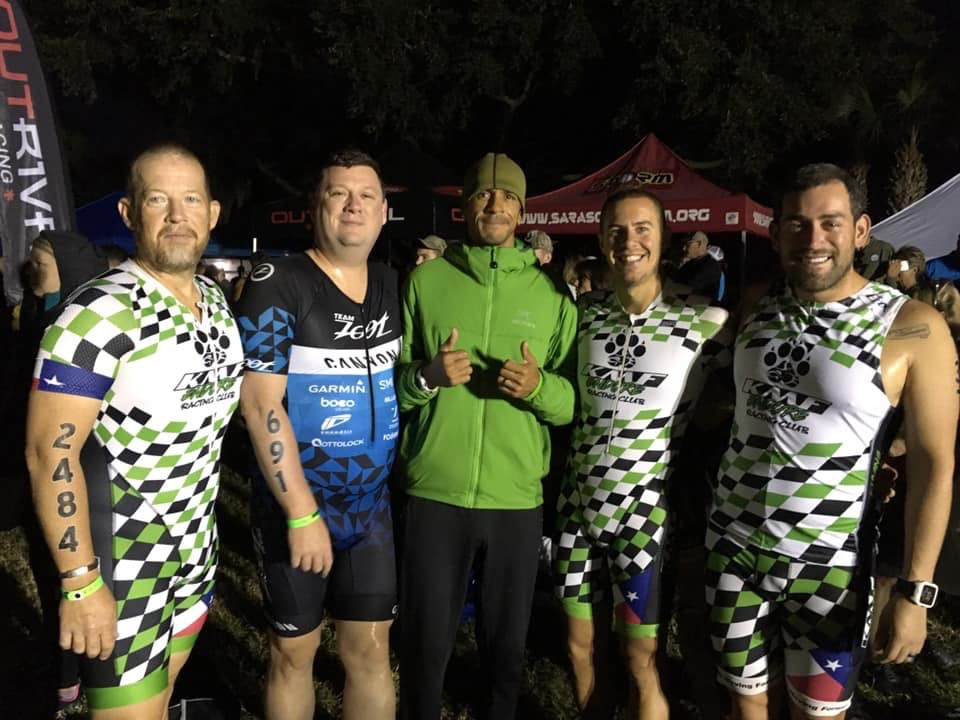
KMF Florida Race Team: Jeff Allen, Kris Keele, Coach Ben Drezek, Devin Logsdon, and Paul Bea


SWIM – 2.4 miles

CDCEFE9F-DFE5-42DB-8FC6-7A234BD2A085

Swim and Ironman Venue

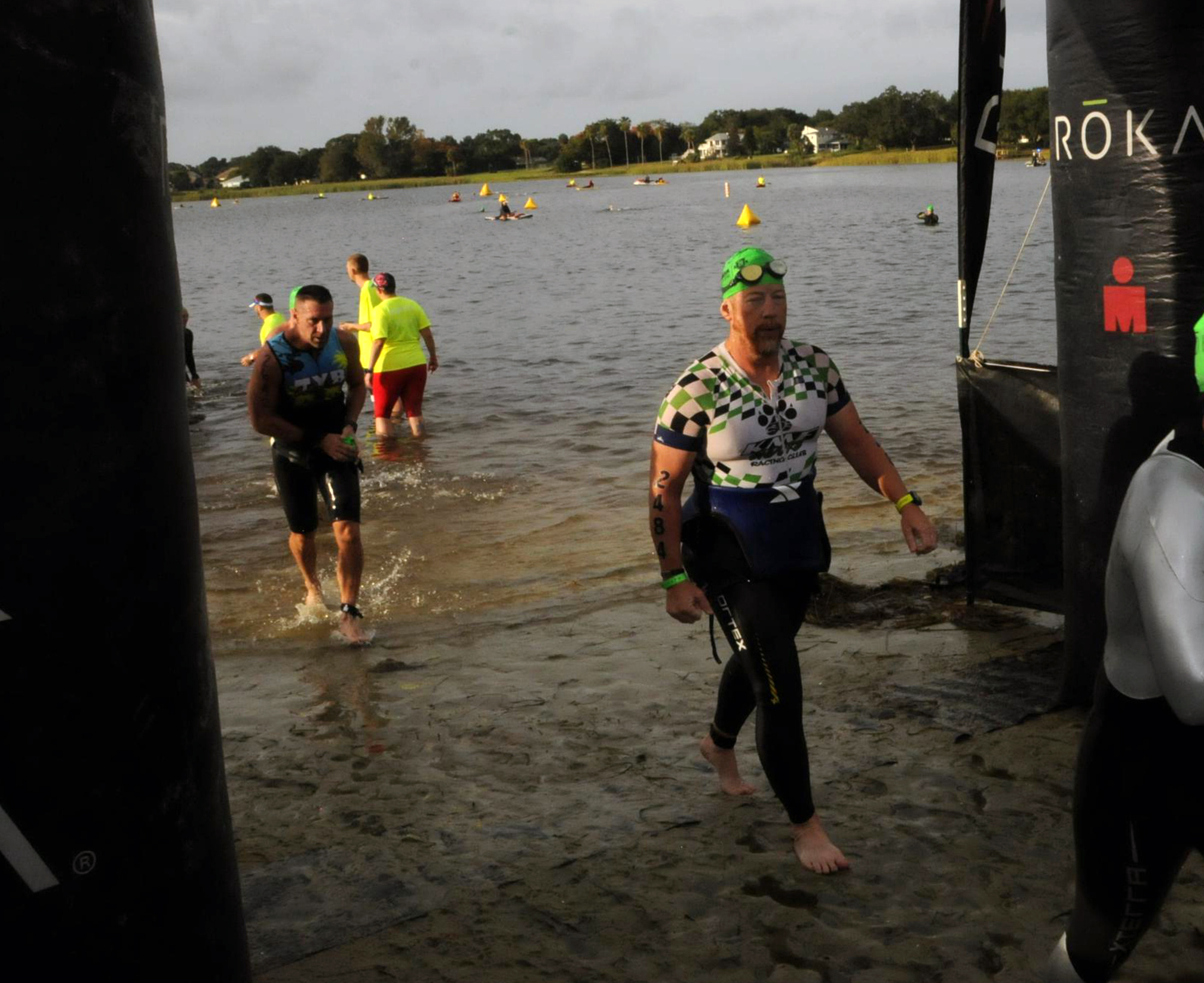
This was a strange M-Dot or Alligator head swim with a timing tunnel (overhead wire) in the middle.   This meant lots of sighting bouys and lot of turn on a very small lake for a two loop swim.  This was the best that could be made of the hurricane situation, but it was challenging and woe be the beginning on this churning swim.  This was an ironman PR swim for me, but much more.  I came out of the swim on the first lap feeling good and looking to the second.  I transitioned to my bike feeling the reward of long hour working on my swim technique.  Last year the swim cost me energy.  This year the swim set me up for the bike.

SwimExit1

Exiting Swim to transition

IMAZ Swim Time: 01:21:13

IMFL Swim Time: 01:20:17 (personal record)


BIKE – 112 miles

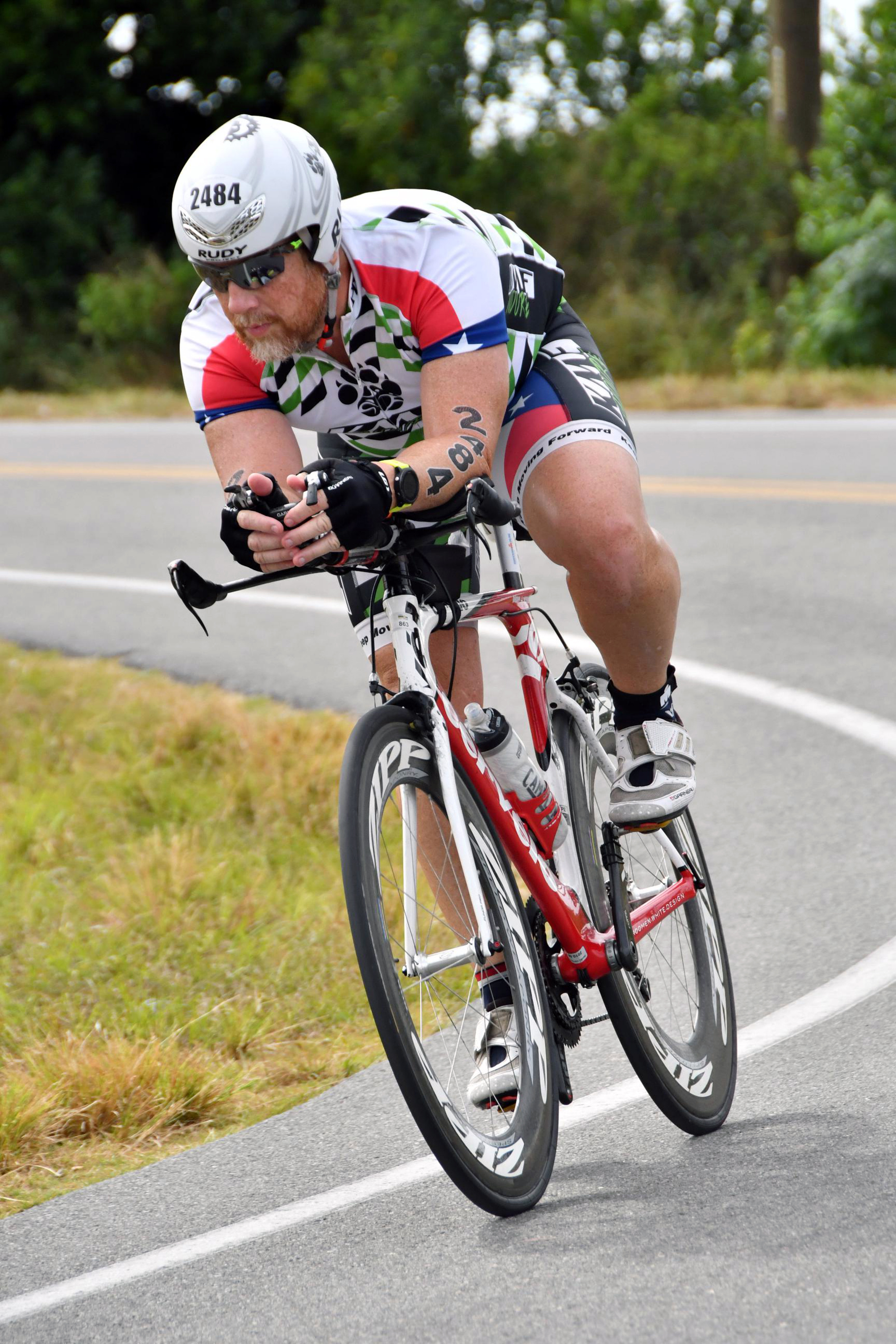
I’m in the best bike shape possible. As much as I wanted to push the bike, I wrote the following in my race plan after seeing the course:  Mainly on my own on food and hydration with simple pickups of Endurance and water. I would like to have a good bike, but not a PR-type ride. I’ll take what it gives me and ride the course. I like where my bike fitness is at the moment, but want that fitness to get me to the run prepared for the IM run.

Bike3_Corner

I ran the plan to the letter.  Nothing more to say. Perfection.  I felt great coming off the bike and into the run.

2ceeadfb-6f9e-4d6e-bcff-b4980c58b086.jpeg

IMAZ Bike Time: 06:00:06

IMFL Bike Time: 05:59:24 (personal record, harder bike course)


RUN – 26.2 miles

Oh, the run. A very, very, very, very different attitude that my first IronmanI was anticipating this 3 loop run course.

The run scared me during my first Ironman for good reason.  I was a poor runner with posterior chain flaws.  2018 saw a lot of improvement including a one minute drop in my long run pace – meaning perceived effort is the same at a quicker pace (about 8% faster for me).

I made a transition to ultra running in 2018 to challenge myself to improved my weakest area of triathlon.  The effort to meet my challenge head-on payed dividend on the day.  Adversity experienced at Rocky Raccoon 50m and Pike Peak Ultra 50k provided a solid foundation for this run course. To run ultras, you have to spend time running – it was needed to improve my weakness.

The run pre-race advice from Coach Ben Drezek (for me): a) treat this IM run course as a trail race, b) walking the hills, b) running flats and downs 3) If you’re going to have to walk it on the third lap, walk it on the first.

I walked out of transition and walked up the first hill. Did I want to run? YES!  I felt great coming off the bike!  I ran the first flat and ran the first down.  I then repeated this process for the next 26 miles.  This was a tough “technical” run course for an Ironman course, but my 2018 season and training set me up to have a great run.  My @baseperformance salts and rocket fuel kept me in the race – it was vital for the conditions.  Despite the heat, my splits were even the entire day despite the hot and humid conditions – walked all aid stations except for the final loop – and then skipped every other one since I was taking in little nutrition at that point (~7 miles left).

Starting the run!

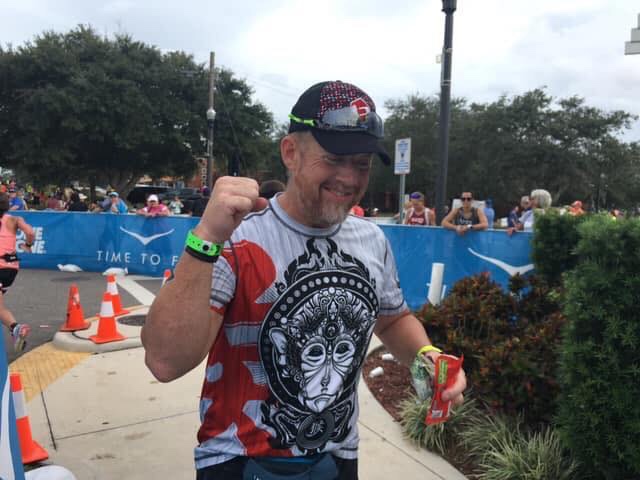
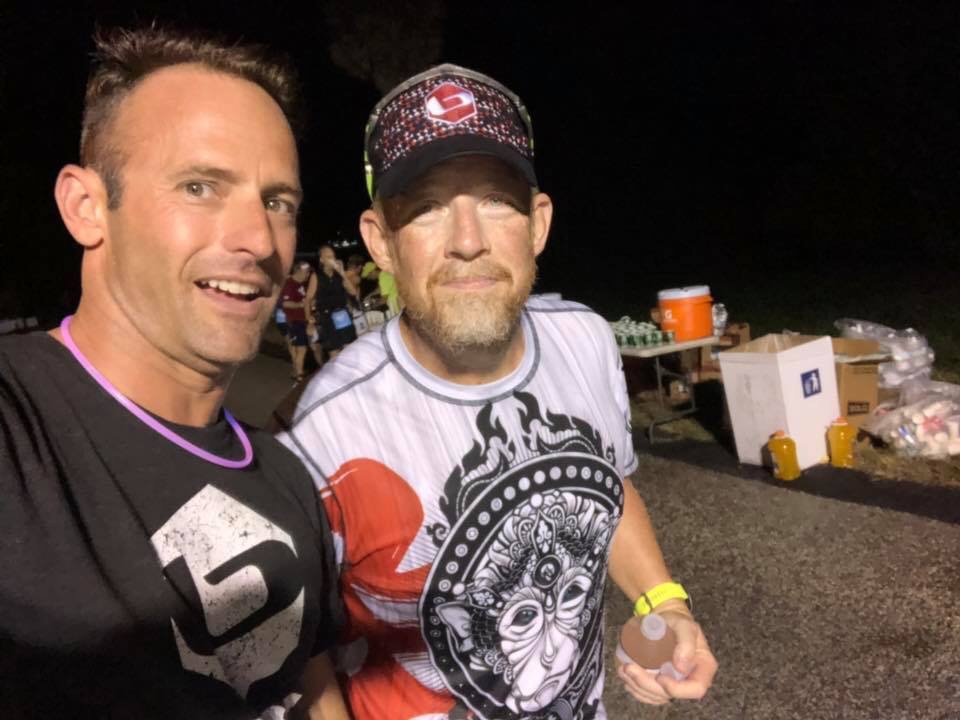
Through the heat of the day! Selfie with Matt (Base Performance)

Oh, did I mention the rain.  It start as much needed light rain after dark and at mile 22 tried to drown my while running upright – some of the hardest rain I’ve ever been in.


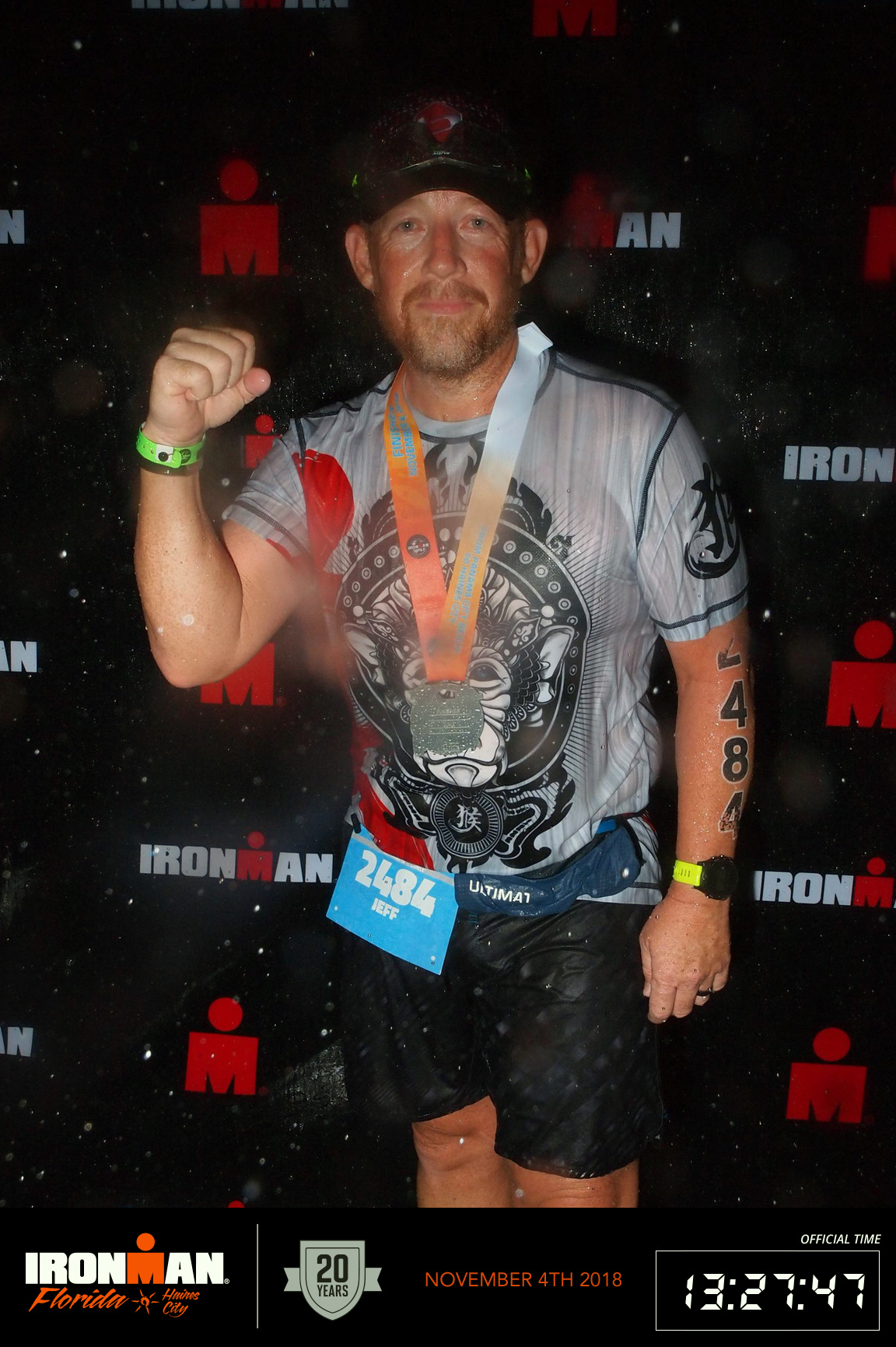
The Ironman carpet leaves you breathless and you enjoy a spectacular finish. During my finish, the carpet was floating between the top and bottom of the water with the water covering your shoes.  Yes, it was a great way to finish a very tough race in style

400CD200-D462-40EC-AAAF-A5A884398C5E

This is Mike Reilly, the “Voice of IRONMAN,” announcing my finish and his personal facebook live feed talking about the rain….yes, the water on and below the carpet was above my shoes (1:42)

Run2_FinishSplash
IMAZ Run Time: 06:36:00

IMFL Run Time: 05:40:19 (personal record, harder run course)


IMAZ OVERALL TIME:14:16:05

IMFL OVERALL TIME: 13:27:47 (personal record, harder course)

74_m-100855451-FT-2517_082167-23087069

The accomplishment hits home.


OTHER NOTES

Mentally: I was prepared (mind and body) for this race. I’m in was in a good state of mind with a good last month of training.

Positive strives in swimming in the 6 weeks prior provided confidence starting the day.

No concerns for the bike. My bike conditioning was top-notch.

Like IMAZ, I was ready for the worst on the run. Even with my preparations I was concerned for a structural breakdown in my performance leading to a repeat of 2017. I knew that I had to take care of my posterior-chain throughout the day and triage it with my special needs bag if needed.

Done Right: It sound strange, but I was less willing to share my plans with Coach Ben before this race. I think I was simply unsure that I wanted to be accountable for a stated plan. I did share however so I’ll chalk this up to “done right.

Stay with my race plan.  I trusted the plan and knew that my coach agreed. If the plan failed we could agree on the reason for failure. In this case each point of the plan can through remarkably.

Improvement:  This is hard after this race.

1) I need to continue an aggressive improvement of the structural strength so that form stays together longer.
2) Continue to work on the parts of my endurance training that is not easy – running?
3) Created a long-term plan to integrate this lifestyle into my normal life – make running therapeutic to help other aspects

Differently: Don’t sweat the small things. Let the race come as it will and enjoy the experience of racing.

Lessons: I’m going to use last years lesson from Arizona as a start: “The mental is as much or more that the physical and they will bleed into each other.  More study needed.” This is probably more true now that it was then. Sometime you just don’t know what you don’t know.

Back to Training: For the next four months, I’m on racing vacation. This doesn’t mean stop. I’ve been pushing for the last two years. Mind and body need scheduled maintenance. RELAX and maintain fitness before preparing for my next race.

Next race:  Brazos Bend 100k. This will be my first race of the 2019 season that will not be just for fun. This will begin my preparation for the Brazos Bend 100 in December 2019.

Back to the grind.

Thanks Everyone!!!!

2018 Rocky Raccoon 50 miler

Huntsville, Texas
February 10, 2018

Finish Time: 11:49:39

Preparation: Knob Hill (50k) race was my last long run in preparation for this 50-mile attempt. I gathered a couple inconvenient foot problems (blisters) coming out of the 50k with three weeks to go. Not optimal for my last long training/race, but that’s part of the game. Mentally, the 50k race was critical for preparation. Two loops, one drop bag and all of the race preparation. This “preparation” race my first ultra-trail race. A tough course. Now to the Rocky Raccoon 50:

Weather: 64-degree average with light rain throughout the day.

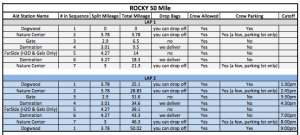
Race Conditions:  Trails were sloppy turning to terrible in the second lap. Race map is at the bottom of the blog. Four fully stocked aid stations and one minimal aid station.
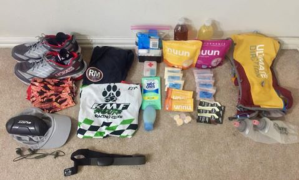
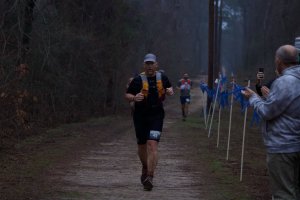
Goals: 1) Finish, As a first-time 50 miler, this was plenty.

Before the Race:  Race week was filled with race preparations. Everything was stacked into three drop bags with shoes and foot repair in every bag. However, as it turned out, the drop bags were not used except to drop off a headlamp.

Morning of the Race: Arrived early to rain and cold. The RR admin crew is experience and everything was relaxed. Trail racing has a totally different mood at the start from road racing. Relaxed and easy conversation from the fast racers all the way down to first-time hopefuls.

Race started at a slow pace with a train of headlamps. The course was already slick and sloppy with a fog of rain. The sun coming up 45 minutes later was a great boost. Time to put away the headlamp and let the real race begin.

Nutrition:  Course nutrition all the way! Rocky food is on point and aid station personnel are top-notch. The aid stations were well-stocked, and Tailwind/Water was readily available. The addition of my Nuun hydration rounded out my nutrition strategy.

Loop 1 of 2

The first five miles from the start to the Gate aid station flew by and with easy conversation and headlamps. Mile 5-8 was a long dirt road that gave me a lot of comfort as a road runner, but slick and muddy spots quickly brought me back to the trail – reentering the woods to Damnation was relaxing and an easy run….Oh, Damnation – a lovely aid station at 9.5/18.3 miles of the first loop that you didn’t want to leave. My body was feeling good and my squishy feet were doing fine.

20% done.

The trail to Farside and back was endless and took its toll mentally and physically. I was lucky to attach to a couple of veterans traveling to Farside and my mind could relax into the miles. Following was good, but my pace slowed slightly – not a bad slow. The 4 ¼ miles seemed to take forever – the trail seemed to go on for twice the distance and the aid station kept getting further. Farside was minimal with fluids only, but again, the personnel were upbeat. I turned quickly and left my chosen pacers with a quicker pace to get off of this side of the course.

30% done.

The course between mile 9.5 and 18.3 were really bad in places with slop, mud, roots and falling sides of trails. It put a beating on wet shoes and feet. Coming back to Damnation was fantastic and I hit my stride between miles 14 to 21 (Nature Center). I ran alone from the Farside to the end of the first loop. That’s a lot of trail time inside your own head. Team mates at the Nature Center gave me a fantastic (needed) boost and sent me toward the end of the first loop. The four miles between Nature Center and the end of the loop (Dogwood) were mentally tough and last two miles (mostly flat) hit me with my first true low point of the race. By the time I reached the end of the first lap I was exhausted.

50% done

The best advice, that I used (by Ben Drezek):  Use the start/finish line as a restart/refresh. I ate everything that looked good, drank all the water and had noodles – the noodle hit the spot.  I then stretched, loosed my body up a little and started back on the course with a new positive attitude and a partially refilled energy tank to start the second loop. The stoppage time was well worth it.  I did not use my drop bag.

Loop 2

Miles 25 – 29  I started loop 2 directly into the face of the part of the trail that brought me to my low point – it wasn’t any better. But, I survived it. I only needed to run that same trail section ONE MORE TIME – at miles 46 – 50.

At the Nature Center, I let my crew chief know that I would need the mental support when I came back through and asked him to be prepared to run with me. It was hard to admit the need for support, but necessary.

Miles 29 – 34 were simply gutting out the pace I had banked lot of time and I was still well under a 17-hour finish … I started dreaming of not only finishing the race but finishing before it got dark.  A 13-minute pace made is a possibility, but the race started at mile 35. Yep, I slowed in the next 10 miles.

70% done

Miles 35 – 43  Damnation to the Farside were tough the first time and I had prepared myself for this second fight. I didn’t settle in during this section. I fought the hills with a stiff, fast power hike and ran the flats and downhills. I knew what to expect this time and didn’t look at the miles. Farside was out there, I simply knew that I wanted to get there and back. I reached Farside WORN OUT.

20 miles of walking simply was out of the question. So, I went back to my fighting pace and headed back to the wonderful land of the Damnation aid station. Coming the last 400 yards to Damnation, my tank was empty. My feet were torn up and I could feel toe nails coming off and multiple blisters on both feet. My pace had started to slow, and I was eating into my banked pace.

A decisions had to be made as I came to Damnation. Do I pick up my headlamp? If I walked back to the finish, I needed my headlamp. If I pushed myself, I might make it by dark. I pushed all my chips to the center of the poker table and left my headlamp at Damnation. Sunset or bust.

85% done.

Miles 43   My feet are trash, my body is exhausted – my but mind is refreshed when 5 KMF team mates’ paces came together at Damnation after 43.6 miles of racing.  We then ran loosely together from Damnation to Nature Center. This was the first time not running alone since mile 5.  At this point, I couldn’t really do math so my team mates made it simple. They knew the overall average pace was needed to make under 12 hours – this matched (closely) to sunset.

Miles 46 – 60  The sight of Nature Center required decisions. My decision was to finish hard. I didn’t pause at Nature Center with four miles to go. My pacer was ready, and we were off without an aid-station stop. I simply didn’t look back until the finish line. I would have never finished my race above a walk without the support of my team and my pacer. The mental support was needed, and the last four miles were TOUGH! It was a simple as two mode: Hard or stopped.  I knew they would be terrible – I made them worse and better at the same time. But I finished the race strong.

Mile 50 reached. 100% done.

Veterans related that this course was different and tougher than prior years. This was my first year. I was difficult and satisfying – I’m looking forward to the next ultra-race.

Photos by Tim McCurry:

Mile 28

Finish Line Reached:

Extras

Race map: RR_2018_w-elev

Ironman Arizona 2017

Tempe, Arizona
November 19, 2017

I’ve looked forward to Ironman Arizona (IMAZ) 2017 for over a year.  I traveled to volunteer in 2016 to watch and support team mates AND see what I was getting myself into for 2018.  This entire year was about being prepared for this IMAZ 2017.   This isn’t to say that I didn’t concentrate and race other races, but I considered them formative races to this big day.

Race Conditions:  For the 10 days leading up to the race the forecast was 82 degree with 0 – 5mph winds.   This changed on race day.  My data shows a high of 86 degrees and winds between 10 – 20mph depending on time and place on course.  The water was a brisk, 68 degrees and the air temperature low dropped to the mid 50s once the sun set.  Hot and windy during the day and wonderful at night.

Goals: 1) Finish 2) Enjoy the day 3) Race to Plan. These are simple goals, but the third goals was dangerous for a first Ironman.  Two goals were plenty – don’t have a race goal, don’t have a race goal, but you’ll have a personal race goal

Before the Race:  I traveled to Arizona six days before the race to spend time getting into mindset, acclimating, and enjoying the pre-race activities. Great for a first-timer, less for a veteran.  The days before the race, we had a chance to jump in the lake to check sight lines and water temperature (best thing I did for my race start).

Morning of the Race:I took this morning slow and steady and my goals was no stress.  Of course, I forgot my timing chip and had to get a new one.  All was good and prepared to start the race.  My sherpa did a great job of communicating with me and allowed me to worry about the race and not the gear.

SWIM

There was nothing special about the swim but a cool 68 degree water that was warmer than expected, but cool enough not to overhead during a 2.4 mile swim.  Due to previous day scouting, I had my first long sight line and took off with very little hesitation.  I got into a great rhythm and headed counter clockwise down the first line.  The course was shaped like a bent elbow.

I had a steady swim pace where I could have pushed the pace at many points.  Due to the distance, I settled into a felt steady/moderate pace.   I was around the far

turn buoys and down the back stretch, but a calf ready to cramp was distracting me and the sight line was LONG.  At about 3000 yards, I lost my swim stroke and kick. It took a couple of minutes to find the groove – it was lost.  I was a log sitting in the water paddling without noticeable forward progress. I had to go back to swim basics and do each step of the process to eventually find it and take off. My swim volume this year was my savior:

2017 Swim Volume: 106.71 mi (187,810 yards), 73:19:34 h:m:s

IMAZ Swim Time: 01:21:13

I felt appropriately tired, but satisfied coming out of the water with an aggressive swim plan time of 1:20:00.  I didn’t overrace this leg (cost me a hamburger bet), but I raced the swim as I need to for an “A” race.

BIKE

My mantra: Do not override the bike, do not override the bike, do not override the bike.  I love to override the bike portion of the race.  I set my goal at a 19mph pace.  The data tells the story. 

2017 Cycling Volume : 3,187.23 mi, 216:19:43 h:m:s

IMAZ Bike Time: 06:00:06

Yes, I could have had a faster bike time.  Ironman data said I rode 18.68 and my bike computer showed a 19.1 average.  This was my biggest win of the day.  I was not tired coming off of the bike – cramped up and sore, but my legs felt great.  Exactly were I wanted to be off the bike.

RUN

I worried about the IMAZ run ALL year.  For good reason.   I felt great coming off the bike at 2:45p.  But it was HOT.  I started fast and closed it down quickly with the heat.  I was well within my ability to finish the race and had plenty of time to finish within my race goal.   Other than the heat, I felt really good.  I did pull something under my right rib (during swim) that gave me some pain, but that’s the name of the game.  I took the first hour slow to let the sun drop out of the sky a little and took the opportunity to refuel, rehydrate and get ready for the long haul to the finish line.   Between mile 4 and 13 I had a steady pace that I thought I could handle forever.

At mile 13, my back started to ache.  This wasn’t a surprise – it’s the first of my running structure that breaks down.  But this was early.  I mentioned it to Kara (Max’s Sherpa), but kept going – just something for her the mull over.  This was a critical decision time: a) slow my pace and save the back, or b) race to plan.

By mile 16, my back was hurting and I was now on the walk.   The pain was manageable, but the ibuprofen that I took weren’t making a dent.  I knew at that the remainder of the race was going to hurt – Nick (team mate) was a good sounding board on course – I kept going – a forward lean was noticeable.  By mile 20, the grandpa lean/hunch had become a serious problem.

At mile 22/23, I was in trouble.   I completely stopped for the first time on the course.   I was in serious pain and I needed to find relief.  I found a railing and stretched my back on it – reaching down as close to the ground as possible and cat arching my back.   This gave some temporary relief.  I had base-salt all day. I had three “hot shot” and at this point I had enough ibuprofen for a couple of days.   I was warned that there are dark place on the run course – there are and I was facing it.

The last five miles of this race felt like the whole race.  My stretches started to get closer together.

The mile 24 aid station was a ugly, hard place – under a lit bridge at the bottom of a downhill and coming to an uphill.  I stretch long and hard but kept moving forward.

I saw my support team for the last time (last of many) and Coach Ben knew my status by the look on my face and my form.  We’ve worked enough together that the pep talk was of goals and possibility.  Nothing to do with the pain, or my willpower to finish.

There was only me, the UNT tri-club supports, and my coach at the time. The rest of the world simply didn’t exist at that moment. I apologies, again, to the children and families on the sideline for my load four-letter word (twice).

1) Finish 2) Enjoy the day 3) Race to Plan. 

To make my race goal #3, I had to pick up my pace.  I tried for the next 200-500 yards.  It simply could not happen.   Goal #1 (finish) was still 2+ miles away.  Goal #2 (Enjoy the day) was a long time ago.

Mile 24 – 26.2 were, mentally, the toughest of my life.   I’m quick to note: There are many people who suffer this way everyday with their lives.   I could have stopped at any point and the pain would have gone away.  I chose this fight – I was fighting mental against physical.   Physically, everything in my body, except my back erector muscles were great.

At mile 25.5, I headed toward two EMTs on a four-wheeler.  As the rushed to my aid, I yelled at them not to touch me and used their vehicle to stretch my back.  This was strategically my worst mistake – I had two care takers that were more than willing to ease my pain – It was hard to tell them not to touch me.  “What do you need?”  The finish line.  “What can we do for you?” Nothing.  I knew that the point that I allowed them to take over my care that I lost my ability to decide if I would be allowed to finish the race.  I left them with painful whispered thanks and headed to the finish line.

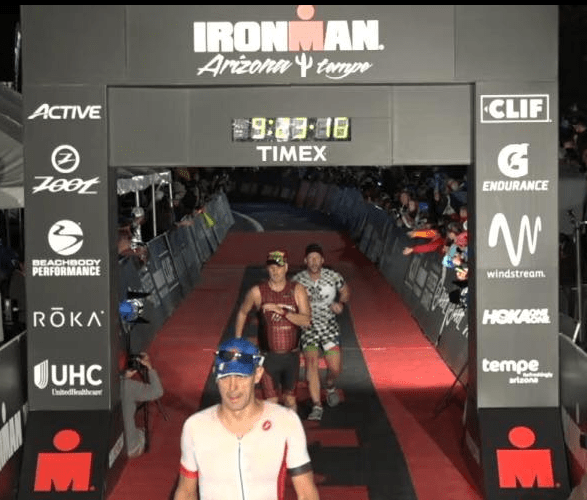
Mile 26.1: Denise (my wife) asked me to run down the carpet. This wasn’t something I even contemplated for the last five miles. But, you have a lot of time to reflect during the race and I had decided to make it happen to the best of my ability. Luckily, Nick had positioned himself at the start of the carpet and I was able to stretch and had him extra stuff.  No time to full explain what I was doing – he just didn’t want me to stop!  I stretch and took off standing 100% tall breathing hard to hold myself up – not from being tired, but controlling the pain with breathing.  Looking at the video I was anything but tall. But, I finished at 14:16:04 (9:23p).

2017 Run Volume: 840.83 mi, 183:18:24 h:m:s

IMAZ Run Time: 6:36:00 


OVERALL TIME: 14:16:05


OTHER NOTE

Mentally: I was 100% ready everything that race could have thrown at me.  I was ready for the worst.  I’m glad I was ready.  At any point, I could have rested at done a 17 hour race without so much pain.  Mentally, I pushed my physical.

Done Right: Stay with my race plan.  I trusted the plan and knew that my coach agreed.

Improvement:  This is easy. Become a better endurance athlete.  Work on that erector core.

Differently: Nothing.  Done right.

Lessons: The mental is as much or more that the physical and they will bleed into each other.  More study needed.

Back to Training: Coach know what I need.

Next race:  Rocky Raccoon 50 mile race.  My run is my weakness.  Kill the weakness.


Back to the grind.

Thanks Everyone!!!!